


As summer winds down after months spent outdoors, traveling, and reconnecting with our communities, many of us return with a renewed appreciation for the built environment and the ways design can shape how people live, gather, and experience their surroundings. The following examples highlight SLAM-designed buildings that continue serving students, families, campuses, and communities throughout the summer months.
Keeping Campus Active: The Summer Life of Athletic Venues
SLAM-designed arenas are often built for year-round use, providing large indoor gathering spaces that remain active during the summer months and beyond. The Georgia State Convocation Center, for example, hosts concerts, summer camps, career fairs, trade shows, conferences, graduations, and orientations. Outdoor venues, including football stadiums, are also used for a wide range of summer events. Georgia Tech and West Virginia University host summer concerts, and WVU uses its football concourses for WVU Medicine employee appreciation meals, where outdoor midsummer dining for hundreds of employees can be set up with ease. Stadium clubs with cooking capabilities can accommodate several hundred people indoors and are commonly used for weddings and other gatherings. In fact, the new WVU Club is specifically designed to hold a 400-person gathering in one central space.
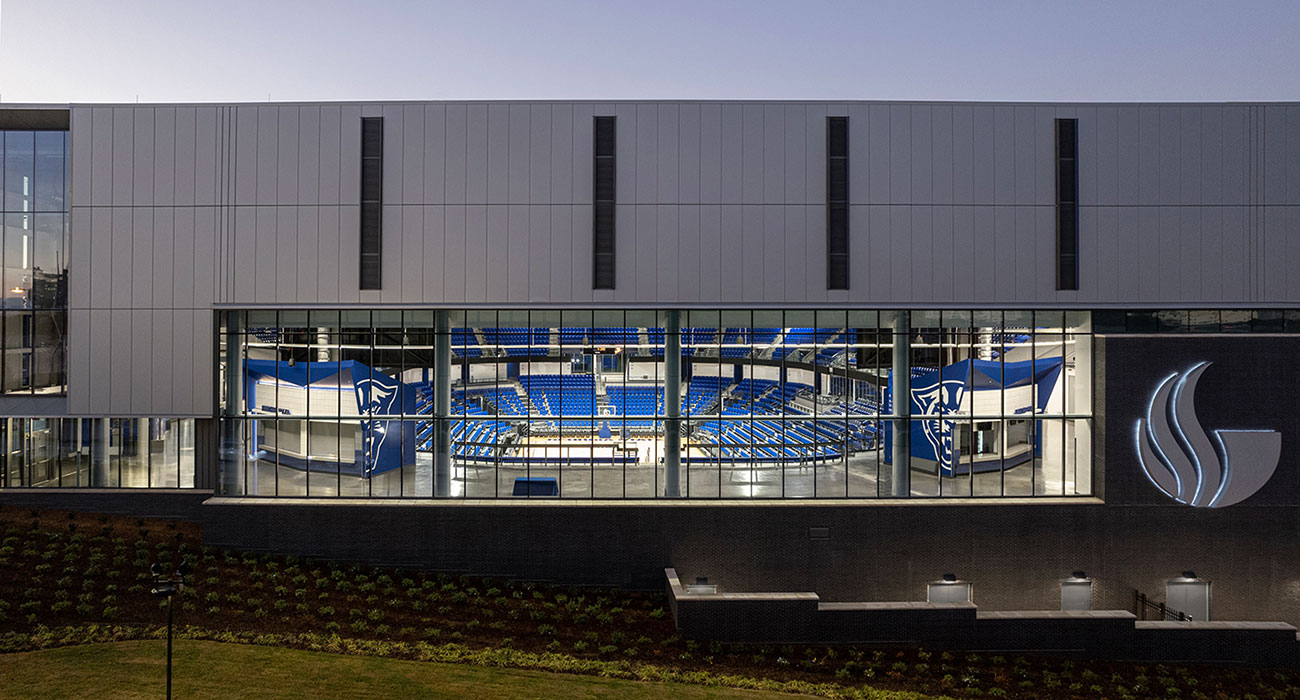
Performance centers at Georgia Tech, West Virginia, Notre Dame, Duke, Georgia State, Arizona, and UNC often remain active during the summer, not only for football players preparing for fall training camp, but also for student-athletes staying on campus to catch up on classes while preparing for their upcoming seasons.
University teams often run summer camps as a way for assistant coaches to earn additional personal revenue, while courts and fields serve the university communities as well. Notre Dame Campus Crossroads is an example of a top-tier hospitality space that hosts thousands of events that get booked there over the course of a year.
East Hampton High School: Thriving in the Summertime
SLAM’s renovate-as-new design for East Hampton High School (EHHS) helped transform the campus into a more flexible, modern learning environment while strengthening its role as a year-round community resource. The phased renovation and addition included major updates to academic, athletic, cafeteria, library/media, circulation, and site areas, along with a new gymnasium, science and technology spaces, and improved connections throughout the building. Equally as important, the project was planned with community use in mind, creating clearer zones that allow portions of the school to function beyond the traditional school day without disrupting academic areas.
That flexibility continues to support the way the facility can be used during the summer. Spaces like the gymnasium, library/media center, cafeteria, classrooms, and performing or activity areas can accommodate programs like summer school, youth camps, theater programs, recreation leagues, and other community activities. As one example, EHHS has been identified as the summer home for Young People’s Center for Creative Arts (YPCCA), a youth theater camp and culture-building organization that serves students in East Hampton and the extended region.
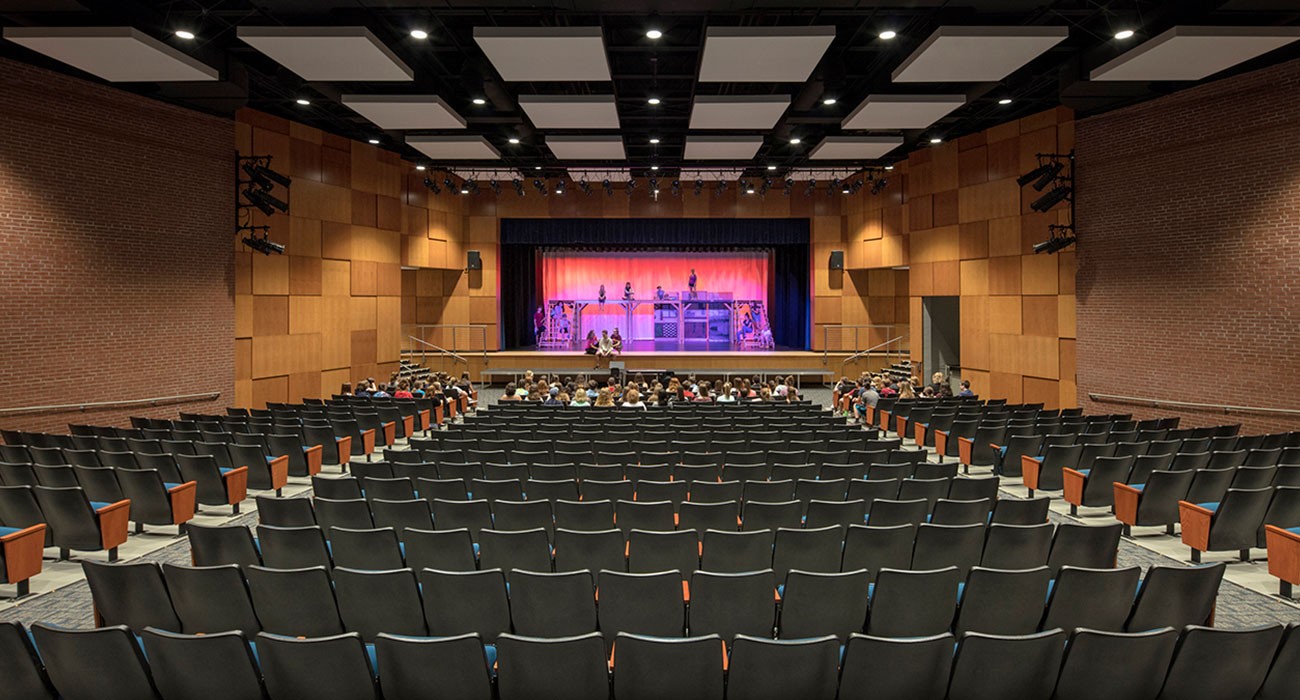
SLAM’s work supports not only the school’s educational needs, but also its broader value as a community asset that serves students, families, and the East Hampton residents throughout the year.
Groton Middle School: Summer Access, Year-Round Support
During the summer and beyond the traditional academic calendar, Groton Middle School serves as more than an educational facility; it functions as a community hub supporting student and family well-being through health services, summer meal distribution, youth enrichment, recreational activities, family support, wellness programming, and connections to community-based social service partners. The School-Based Health Center, operated by Child & Family Agency of Southeastern Connecticut (CFA) is a particularly important component of this broader support system. Unlike a traditional school nurse’s office, the center provides access to comprehensive medical and behavioral health services for students, helping remove barriers to care and connecting families with essential health and support resources. Together, these services demonstrate how the school functions as an integrated community resource, extending its value beyond the traditional school day and academic year.
Designed for Summer: Schools are Year-Round Community Assets
When school is out for summer break, the buildings designed by SLAM continue to serve an important purpose. Across many communities, these schools become active civic resources, places where students, families, and residents gather for learning, recreation, wellness, and connection long after a traditional academic year ends.
Facilities like Weaver High School, Bulkeley High School, and the future Westhill High School in Stamford reflect the value of designing school buildings with community access in mind. Their aquatic facilities support more than athletics and physical education; during the summer, pools can become vital community amenities, offering swimming lessons, water safety programs, and opportunities for residents of all ages to build confidence and skills in the water. In this way, a school pool extends the impact of the building beyond students alone, supporting public health, safety, and recreation for the broader community.
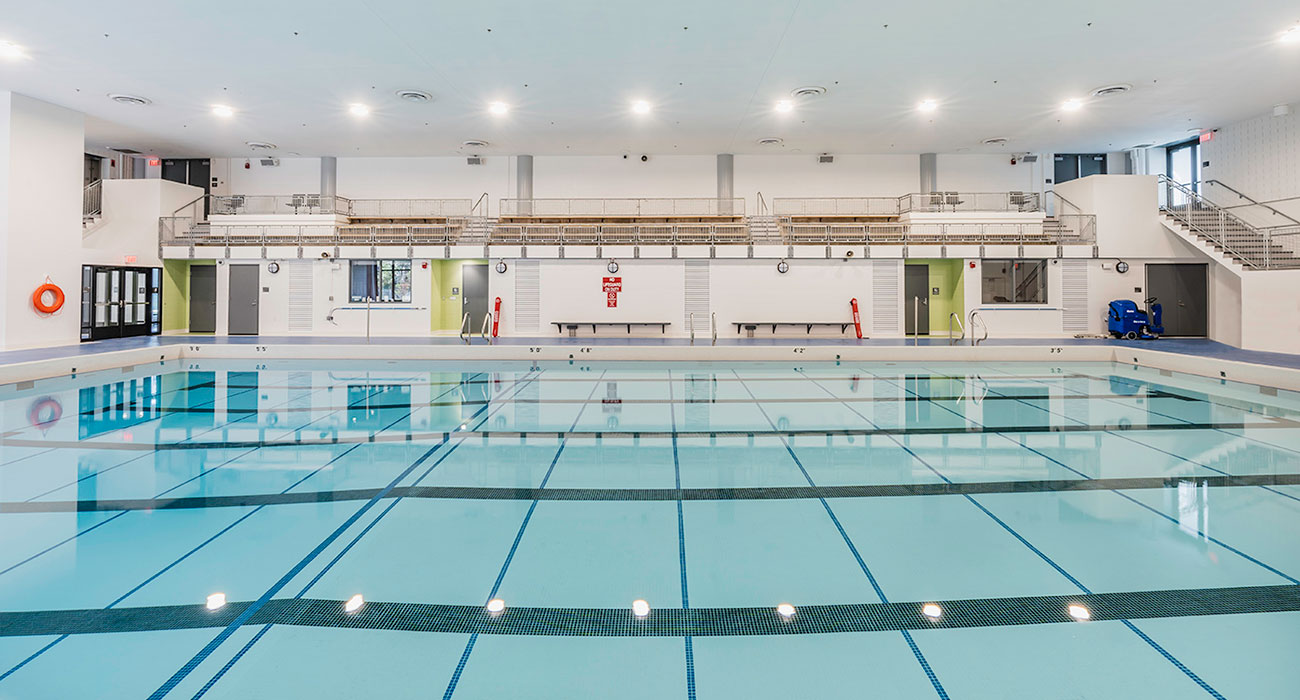
These schools are among a community’s most important public assets. When designed for flexibility, durability, and shared use, they continue to enrich daily life well beyond the academic calendar. Over the course of a summer, SLAM-designed educational environments help support healthier, more connected communities by opening doors to activity, learning, wellness, and belonging.
Higher Education: Summer Learning in Health Sciences
Dell Medical School at The University of Texas at Austin offers another example of how SLAM-designed environments continue to support learning and engagement during the summer months. Through its Health Sciences Summer Camp, the campus welcomes high school students for an immersive introduction to medical careers, combining interactive sessions, simulation labs, and mentorship from medical students and faculty.
As a week-long residential program held at UT Austin, the camp gives students the opportunity to live, learn, and connect within an academic medical environment. Participants explore a wide range of healthcare topics, from anatomy and physiology to public health and medical ethics, while engaging with peers who share an interest in the health sciences.
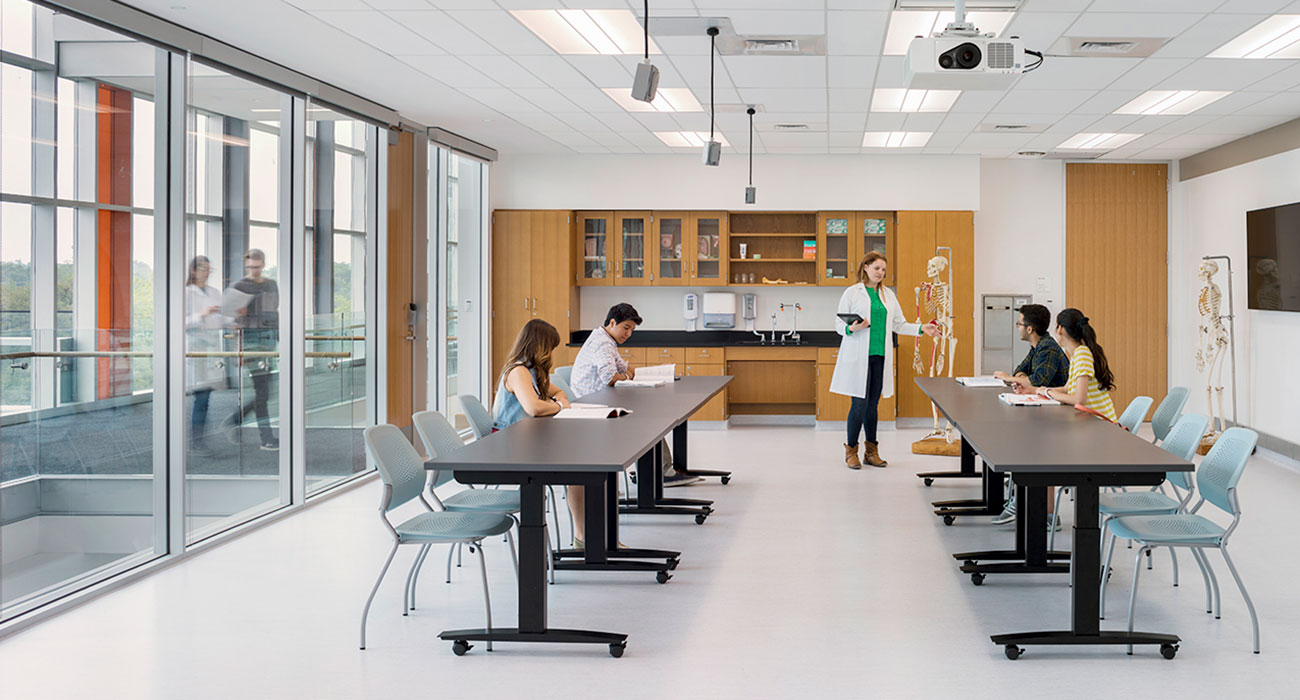
Learning hands-on is central to the experience. Students take part in activities such as dissection labs and clinical simulations, practicing basic medical procedures in realistic settings designed to make complex concepts tangible and engaging. These spaces demonstrate how higher education facilities can extend their impact beyond enrolled students, opening doors for younger learners to imagine future pathways in medicine and healthcare.
Mentorship further strengthens that connection. By working with medical students and faculty, participants gain guidance, encouragement, and a clearer understanding of the many specialties and career paths within the field of study. For Dell Medical School, summer becomes an opportunity not only to activate campus spaces, but also to inspire the next generation of healthcare professionals.

