This article was published in The Sports Business Journal by Bret McCormick on March 30, 2026
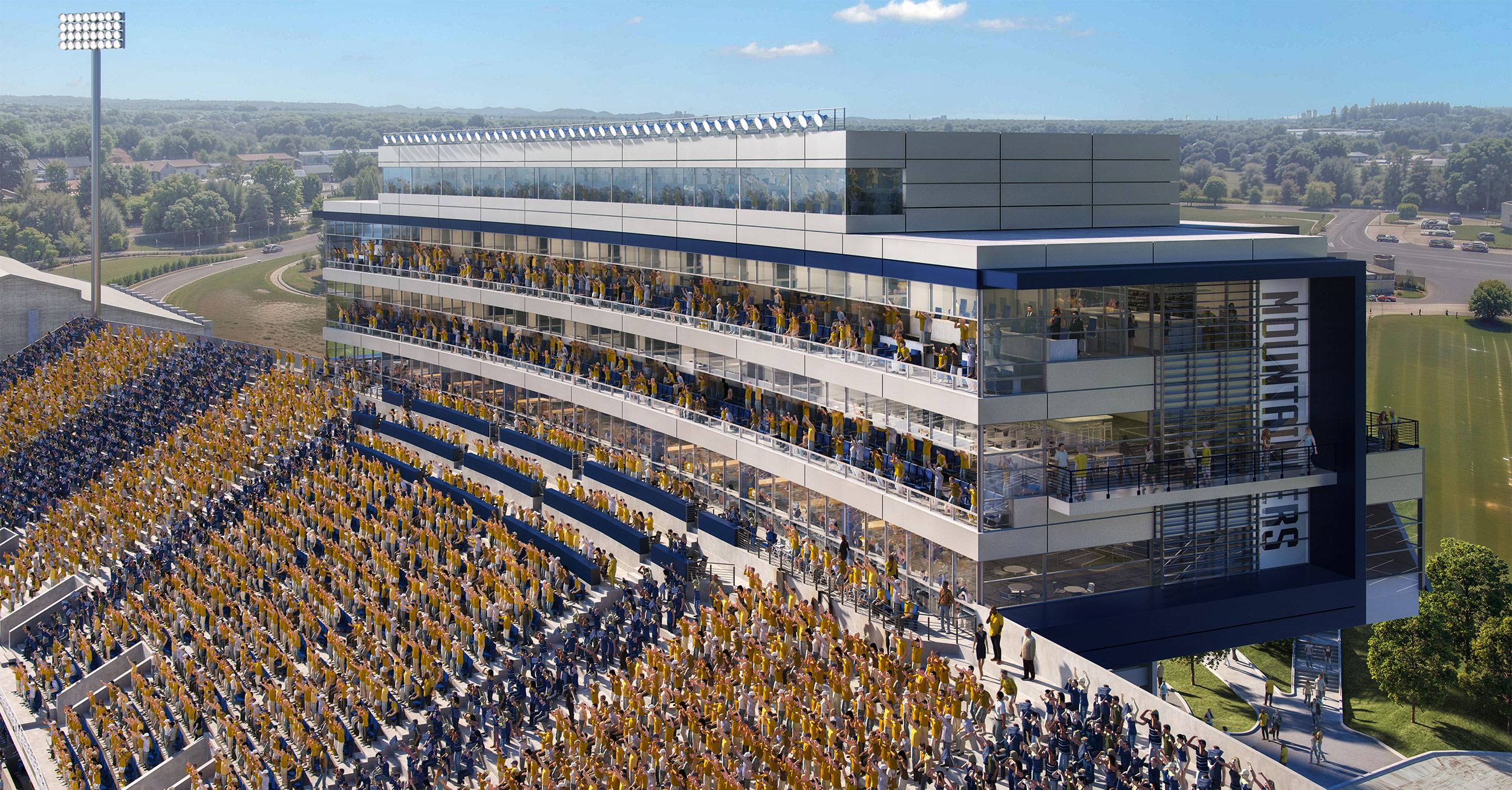
In 26 years working on West Virginia’s athletic facilities, April Messerly has watched the priorities of college sports swing dramatically.
After decades of athlete-focused investment — the proverbial waterfall in the football locker room of the 2010s — NIL and revenue sharing have swung the pendulum toward fan-facing projects.
“Everyone is still trying to get their arms around how we make this sustainable moving forward,” said Messerly, WVU’s executive senior associate athletic director for capital projects and facilities. “What do we need to do to look at revenue generation pieces in this new age of college athletics?”
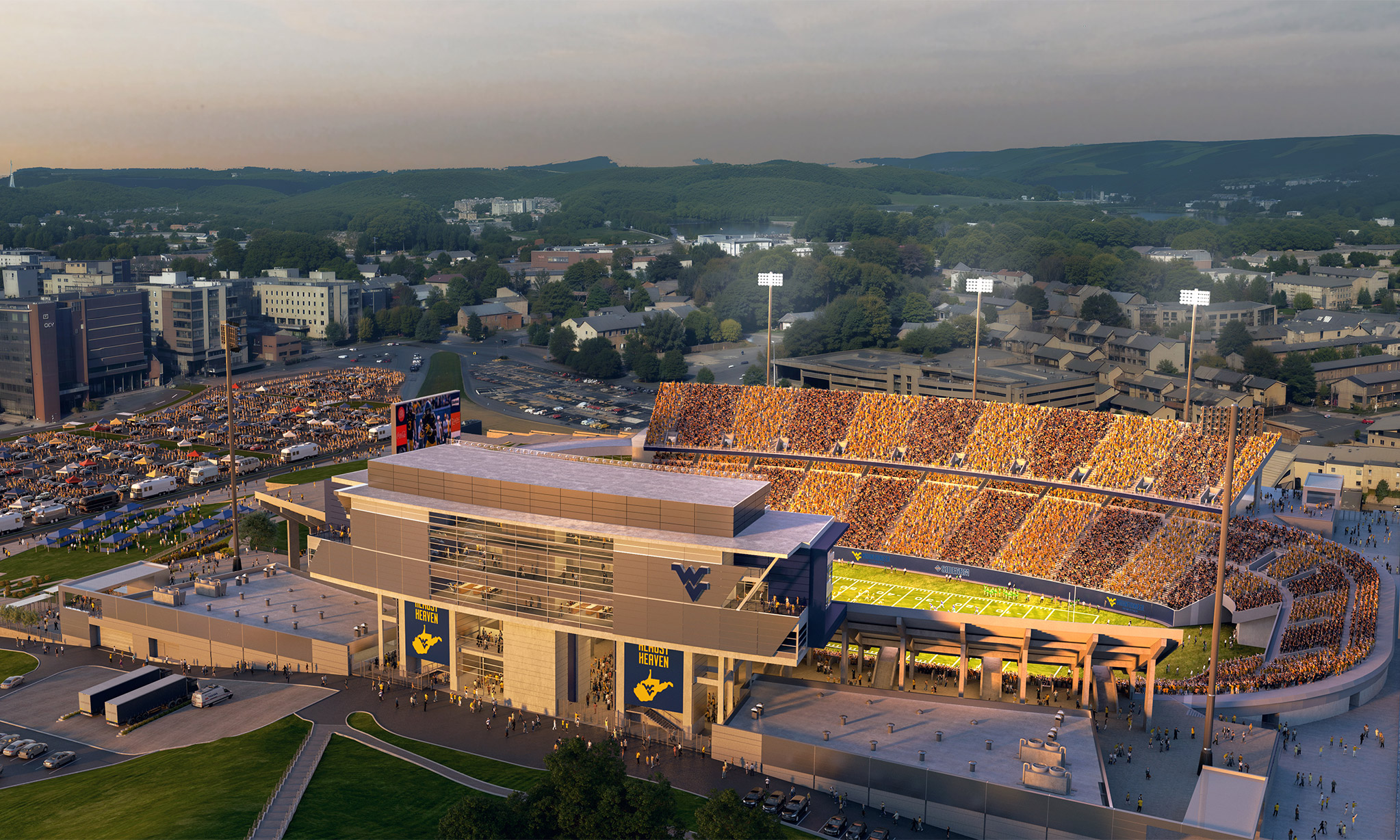
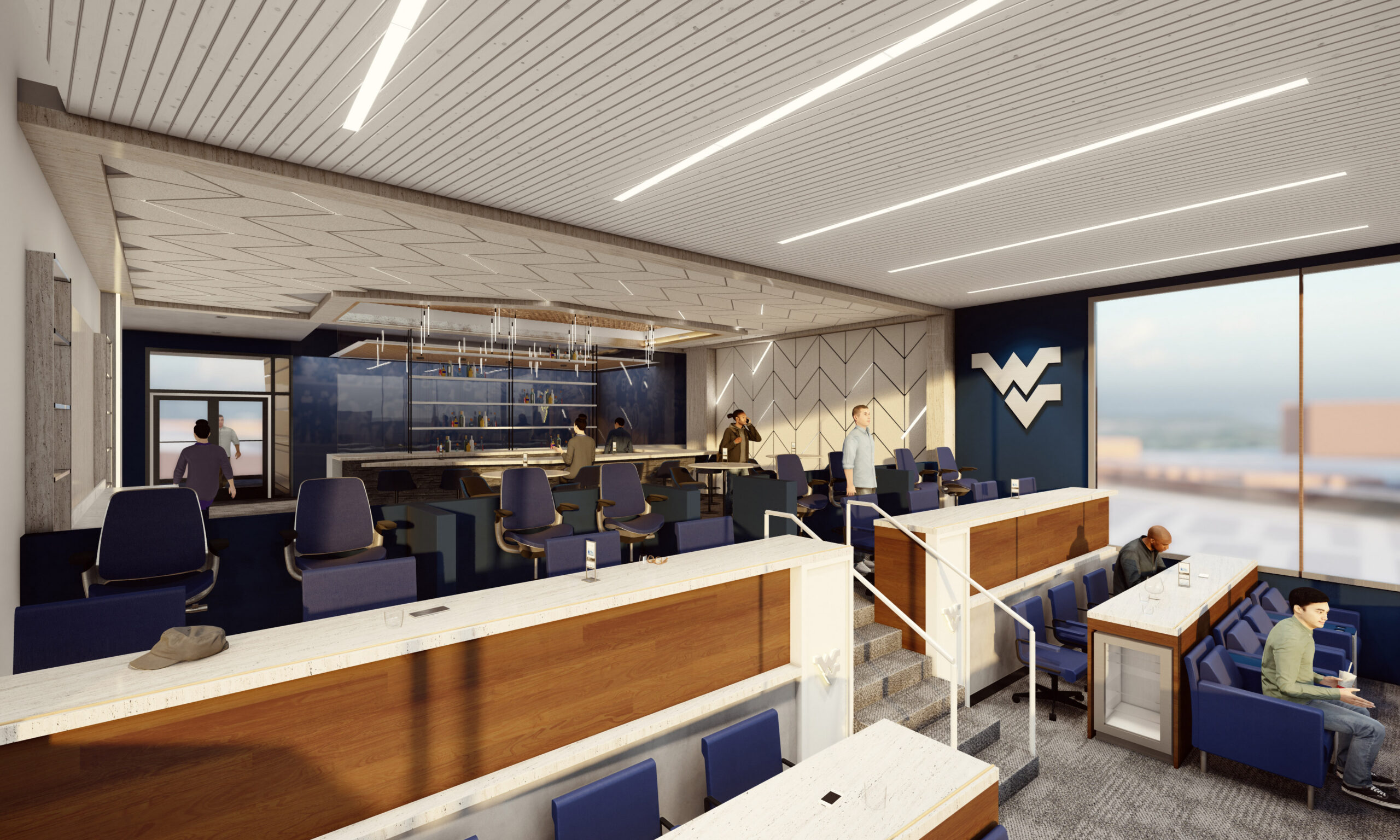
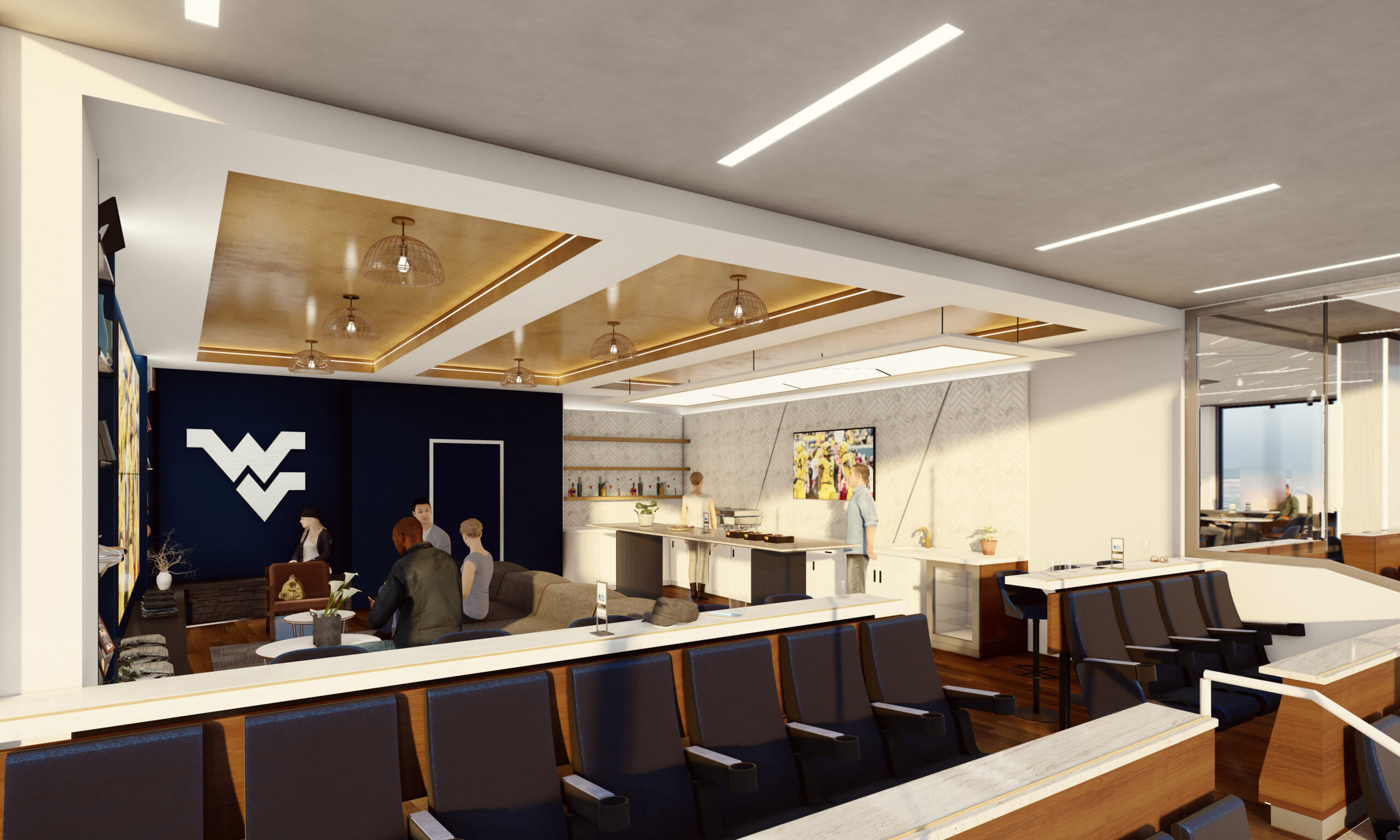
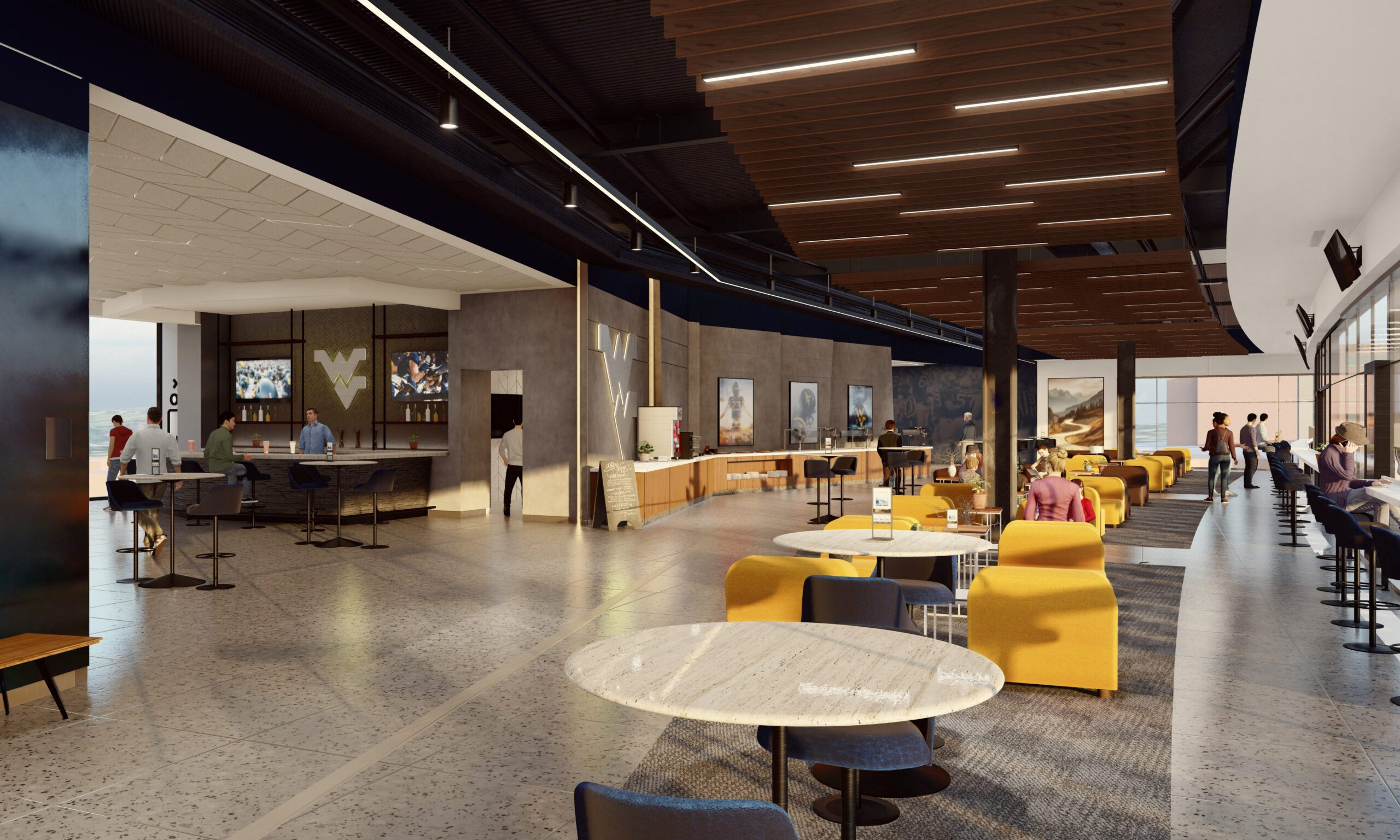
West Virginia has shifted its priorities toward revenue generation and fans’ experience in a big way, with simultaneous renovations of its most prominent athletics venues. The first is a $150 million reconstruction of 60,000-seat Milan Puskar Stadium’s West Tower, including a significant addition of premium seating options. The other is a humbler, $1.5 million project to create loge boxes and ledge seating in the 14,000-seat Hope Coliseum.
There was untapped demand for more premium seating, which generates the kind of revenue athletic departments need more of due to the $20.5 million annual revenue-sharing commitment required by the House settlement.
WVU reported $128 million in athletics revenue in 2025 against nearly $131 million in expenses.
Its West Tower rebuild is projected to produce $5 million in new annual revenue. The basketball project should generate roughly $250,000 more each year.
“For a majority of the Power Four schools, it’s not easy to just find 20 million bucks,” said Oliver Luck, a member of WVU’s board of governors and the school’s AD from 2010-14. “That was the first shock to the system, and that literally happened from one day to the next.”
For decades, student athlete-focused facility investment was the coin of the realm, one of the main ways schools attracted recruits. Other than ballooning stadium seating capacities, fans’ live viewing experience was relatively untouched.
The coin of the realm now, of course, is NIL and revenue share. Actual coin, in other words.
It’s forcing universities to rethink their aging venues, where bleacher seating remains common and concourses are often cramped with too few amenities.
“Every school is on the hunt for long-term, consistent revenue streams that can be developed now,” Luck said. “Maybe they take three or four years to materialize, but it’s all wrapped up in this notion that college athletics, at the top level, is going to require more dollars.”